Children’s books have the unique ability to inspire imagination, encourage learning, and create lifelong memories. While a compelling story is the heart of every great children’s book, the quality of its printing is what brings that story to life. Bright illustrations, durable pages, and an attractive cover all contribute to an enjoyable reading experience. This is why childrens book printing is one of the most important steps in the publishing process.
Whether you are a first-time author, an illustrator, a self-publisher, or a publishing company, understanding how childrens book printing works can help you produce a book that stands out in a competitive market. Every decision, from selecting the paper type to choosing the binding and print finish, affects the final product. A professionally printed book not only appeals to young readers but also builds trust among parents, teachers, librarians, and retailers.
What Is Childrens Book Printing?
Childrens book printing refers to the process of producing books specifically designed for children of different age groups. Unlike standard novels, children’s books rely heavily on colorful illustrations, creative layouts, engaging typography, and durable materials. These elements work together to make reading more enjoyable while supporting early learning and imagination.
The printing process involves much more than simply transferring words onto paper. It includes selecting the right paper stock, determining the ideal trim size, choosing a binding style, ensuring accurate color reproduction, and producing a durable book that can withstand repeated use. Since children often handle books roughly, quality printing plays a significant role in extending the life of the finished product.
Modern printing technology has made it easier than ever for independent authors and publishers to produce professional-quality children’s books without requiring extremely large budgets.
Why Quality Matters in Childrens Book Printing
The appearance of a children’s book can influence whether someone decides to pick it up and read it. Children are naturally drawn to bright colors, engaging illustrations, and visually appealing designs. Parents and educators also look for books that feel sturdy and well-made because they know young readers may use them frequently.
High-quality childrens book printing ensures that illustrations remain vibrant, text stays sharp, and pages resist tearing over time. A professionally printed book creates a positive first impression while enhancing the overall reading experience. Readers often associate quality printing with credibility, making it easier for new authors to establish trust in the marketplace.
Choosing the Right Printing Method for Childrens Book Printing
One of the most important decisions during the publishing process is selecting the appropriate printing method. The right option depends on your budget, distribution goals, and expected sales volume.
Print-on-demand has become increasingly popular among self-published authors because books are only printed when customers place orders. This approach minimizes upfront investment and eliminates the need to store inventory. It also allows authors to make updates or corrections without wasting large quantities of printed books.
Offset printing, however, remains the preferred choice for larger print runs. Although it requires a higher initial investment, the cost per book decreases significantly when printing hundreds or thousands of copies. Offset printing also offers excellent color consistency and premium print quality, making it ideal for picture books filled with detailed illustrations.
Selecting the Best Paper for Childrens Book Printing
Paper quality directly affects how your book looks and feels. Since children’s books often contain colorful artwork, selecting the appropriate paper is essential for producing professional results.
Gloss-coated paper is commonly used for picture books because it enhances color vibrancy and makes illustrations appear brighter and more detailed. This finish reflects light, creating a polished and attractive appearance that captures children’s attention.
Matte paper offers a softer, more elegant look while reducing glare. It is often chosen for educational books or stories that contain more text than illustrations. Matte pages are easier to read under different lighting conditions and provide a sophisticated finish.
Choosing the right paper is one of the simplest ways to improve the overall quality of your childrens book printing project.
The Importance of High-Quality Illustrations
Illustrations are often the centerpiece of children’s books. They help tell the story, introduce characters, and keep young readers engaged from beginning to end. Even the best-written story can lose its impact if the illustrations are not printed correctly.
Professional childrens book printing requires artwork that is prepared specifically for print production. Images should be created at a minimum resolution of 300 DPI to ensure they appear crisp and detailed. Designers also use the CMYK color mode because it matches commercial printing equipment more accurately than RGB, which is intended for digital screens.
Binding Options for Childrens Book Printing
The way a book is bound affects its durability, appearance, and overall reading experience. Children’s books are handled frequently, making strong binding especially important.
Hardcover binding provides the highest level of durability and is often used for premium picture books, gift editions, and library collections. The sturdy cover protects pages from damage while giving the book a professional appearance that lasts for years.
Paperback binding offers a more affordable alternative and is commonly used for chapter books and educational materials. Advances in adhesive technology have made modern paperback books much stronger than in the past, allowing them to withstand regular use.
How Much Does Childrens Book Printing Cost?
The cost of childrens book printing depends on several factors, including the number of pages, trim size, paper quality, binding style, print quantity, and special finishing options. A full-color picture book printed on premium glossy paper will naturally cost more than a black-and-white chapter book. Hardcover editions also require a larger investment than paperback versions because they use stronger materials and more complex manufacturing processes.
Authors who are just starting out often choose print-on-demand services because they eliminate the need for a large upfront investment. Books are printed only when customers place an order, reducing financial risk and removing the need for inventory storage. On the other hand, publishers planning to distribute books through bookstores, schools, or libraries usually benefit from offset printing, where larger print runs significantly reduce the cost per copy.
Common Mistakes to Avoid in Childrens Book Printing
Many authors spend months writing and illustrating their books but overlook important printing details that affect the final result. One of the most common mistakes is using low-resolution images. While an illustration may appear sharp on a computer screen, it can become blurry or pixelated when printed if it isn’t created at the proper resolution.
Another frequent issue is choosing the wrong color mode. Commercial printers use CMYK color profiles, while many designers create artwork in RGB. This difference can lead to unexpected color changes that make illustrations appear dull or inaccurate. Converting files correctly before printing helps maintain the original artistic vision.
Authors should also avoid selecting paper based solely on price. Thin paper may allow images from the opposite side of the page to show through, reducing readability and making the book feel less professional. Similarly, choosing an unsuitable binding method can shorten the lifespan of a book that is intended to be read repeatedly by children.
How to Choose the Best Childrens Book Printing Company
Finding the right printing partner is one of the most important decisions an author can make. A reliable company does more than simply print pages—it becomes a valuable partner in bringing your vision to life. Experience with children’s books is especially important because these projects require careful attention to illustration quality, color accuracy, and durable construction.
A reputable childrens book printing company should provide clear communication throughout the production process. They should be willing to answer questions, explain printing options, and offer guidance when needed. Looking at customer reviews and requesting printed samples can provide valuable insight into the quality of their work.
It is also helpful to choose a printer that offers flexible printing options. Some companies specialize in short-run digital printing for independent authors, while others focus on large offset print runs for publishers. Selecting a printer whose services match your publishing goals can save both time and money.
Conclusion
Creating a memorable children’s book requires more than an engaging story and beautiful illustrations. Professional childrens book printing ensures that every page reflects the quality, creativity, and care invested in the project. From selecting premium paper and durable binding to preparing high-resolution artwork and choosing the right printing method, every decision contributes to the final reading experience.
Whether you’re publishing your first picture book or expanding an established catalog, investing in professional printing helps your work stand out in an increasingly competitive market. A beautifully printed book not only captures a child’s imagination but also builds trust among parents, educators, and booksellers. By understanding the complete childrens book printing process and partnering with an experienced printer, you can confidently transform your manuscript into a lasting keepsake that inspires young readers for years to come.\
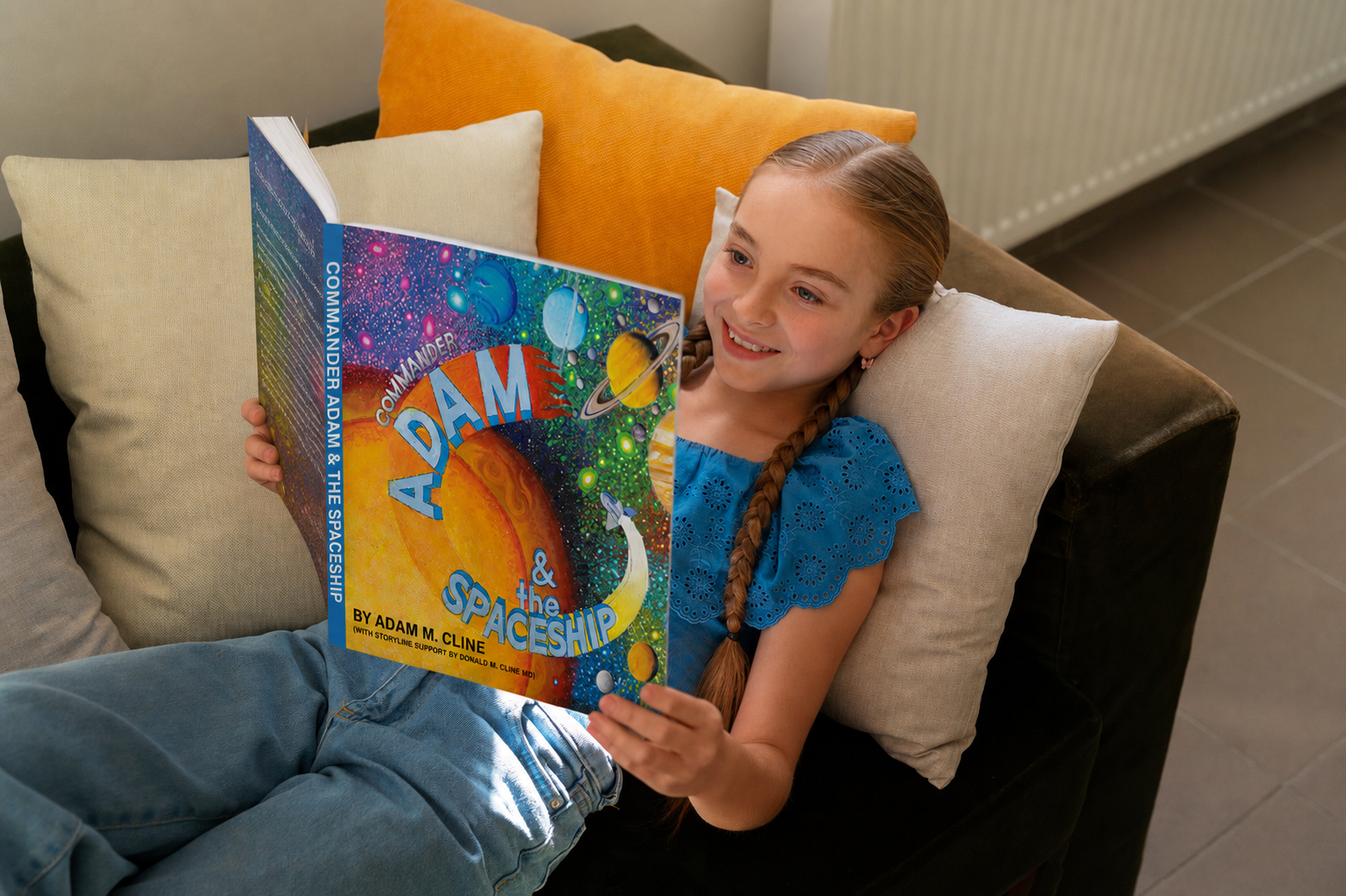
Get Commander Adam and the Spaceship to start your space adventure
Frequently Asked Questions
What is childrens book printing?
Childrens book printing is the process of producing books designed specifically for young readers using high-quality illustrations, durable materials, and child-friendly formats.
What is the best paper for childrens book printing?
Gloss paper is often preferred for colorful picture books, while matte and uncoated papers are ideal for educational books and activity books.
Should I choose hardcover or paperback?
Hardcover books offer greater durability and a premium appearance, while paperback books are more affordable and suitable for many independent authors.
Is print-on-demand good for childrens book printing?
Yes. Print-on-demand is an excellent option for first-time authors because it minimizes upfront costs and eliminates inventory requirements.
How can I improve the quality of my printed children’s book?
Using high-resolution illustrations, professional layouts, quality paper, and working with an experienced childrens book printing company will produce the best results.